-
Shopping cart is empty
-
x
Drone parts and accessories – fast shipping across the EU and to Ukraine, reliable components, technical support.
-
Language

- Currency: EUR
- Customer zone



-
Shopping cart is empty
-
x
-
-
-
Shopping cart is empty
-
x
For free delivery are missing -,--Free delivery!Sum NETTO 0 €Sum Gross 0 €Price includes discounts -
- Categories
- Search
-
High-Performance ESCs for Your FPV Drone
Upgrade your FPV drone's power system with our premium selection of Electronic Speed Controllers (ESCs) at HTDRONE. ESCs are crucial components that manage motor speed and responsiveness, ensuring smooth flight and powerful performance. Whether you're building a fast-paced racing drone, a versatile freestyle rig, or a reliable aerial photography platform, finding the right ESC is key. Explore top brands like Emax, Foxeer, Diatone, and Flycolor, featuring advanced technologies like BLHeli_32 for unparalleled control and efficiency. Trust HTDRONE for quality FPV parts and expert support to get your drone flying better than ever.
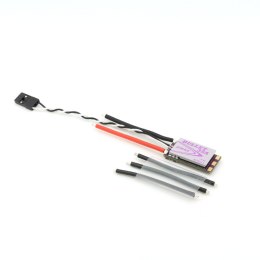
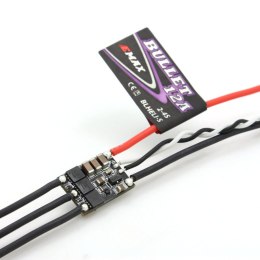
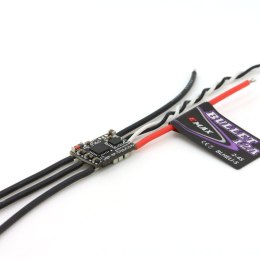
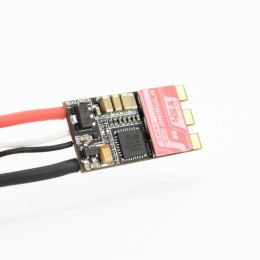
What are ESCs for FPV Drones?
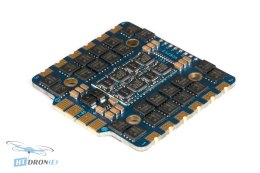
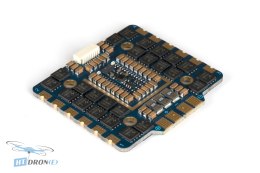
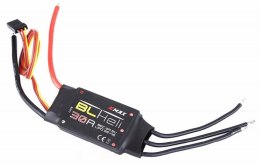
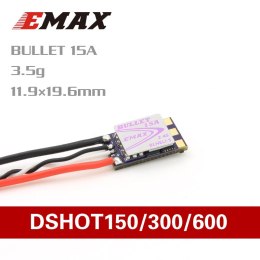
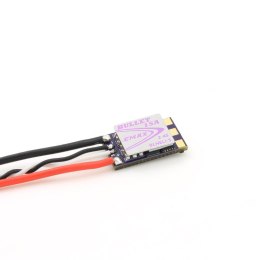
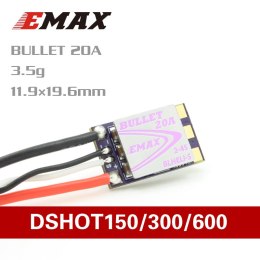
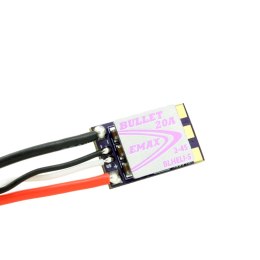
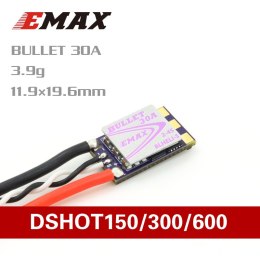
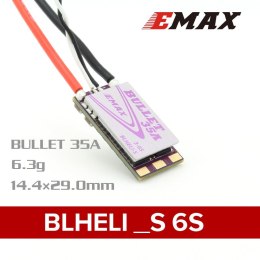
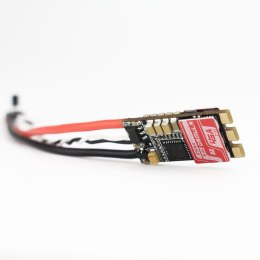
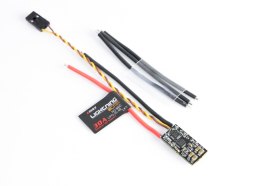
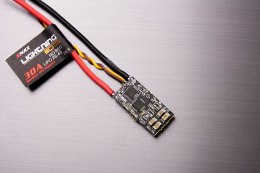
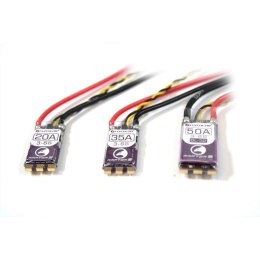
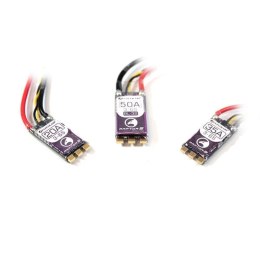
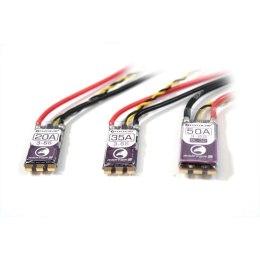
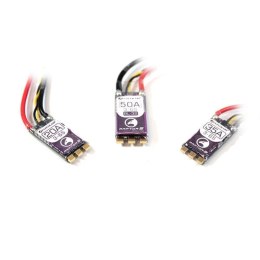
Electronic Speed Controllers (ESCs) are the unsung heroes of your FPV drone's powertrain. They act as the intermediary between your flight controller and your motors, translating signals from the flight controller into precise power delivery to spin your propellers at the desired speed. Essentially, an ESC dictates how fast each motor spins, enabling your drone to ascend, descend, hover, and maneuver with agility. In the demanding world of FPV, reliable and high-performance ESCs are non-negotiable for smooth flight, aggressive maneuvers, and overall drone longevity. HTDRONE offers a comprehensive range of ESCs designed to meet the needs of every FPV pilot, from beginners to seasoned professionals.
Key Information at a Glance
- Essential for Motor Control: Translates flight controller signals into motor power.
- Performance Enhancement: Enables smooth throttle response, powerful acceleration, and stable flight.
- Durability & Reliability: Built to withstand high currents, heat, and vibrations common in FPV.
- Advanced Firmware: Supports protocols like BLHeli_32 for advanced customization and performance tuning.
- Variety of Formats: Available as individual ESCs or convenient 4-in-1 units for cleaner builds.
- Wide Voltage Support: Cater to various battery configurations (e.g., 3S, 4S, 6S, up to 12S HV systems).
Key Parameters
Continuous Current Rating
This is the maximum amperage an ESC can handle continuously without overheating or failing. It's crucial to match this rating to your motors' requirements, especially under heavy load or during aggressive flying. For most FPV builds, ratings from 20A to 80A are common, with high-performance or large drone builds requiring even higher capacities (e.g., 100A, 160A).
Burst Current Rating
The maximum amperage an ESC can handle for short durations (bursts). This is important for quick acceleration and powerful maneuvers. A higher burst rating provides a buffer for demanding flight situations.
Voltage Input (Cell Count)
Indicates the range of battery voltages the ESC can safely operate with, typically expressed in LiPo cell counts (e.g., 2-6S for standard builds, 5-12S for High Voltage or HV systems). Ensure the ESC's voltage range is compatible with your chosen battery pack.
Firmware (e.g., BLHeli_32, BLHeli_S)
The firmware dictates the ESC's behavior and features. BLHeli_32 is the current industry standard, offering advanced features like telemetry (current and RPM sensing), forward/reverse functionality, improved motor control algorithms, and extensive customization options via the BLHeli Configurator. BLHeli_S is an older but still capable firmware, often found in budget-friendly ESCs.
Form Factor (Individual vs. 4-in-1)
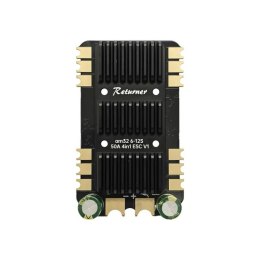
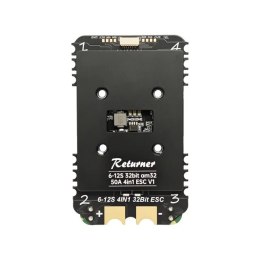
ESCs come as individual units (one per motor) or as a 4-in-1 board, where all four ESCs are integrated into a single PCB. 4-in-1 ESCs simplify wiring, reduce weight, and often provide a cleaner build aesthetic, making them extremely popular for modern FPV quads. Individual ESCs offer more flexibility in placement and replacement.
Comparison / How to Choose
Selecting the right ESC depends on your specific FPV drone application and components. For racing drones, prioritize ESCs with high current ratings (e.g., 45A-65A), low latency, and robust BLHeli_32 firmware for quick throttle response. For freestyle or cinematic drones, consider ESCs with slightly higher current ratings (e.g., 50A-80A) and excellent heat dissipation for extended flight times and powerful maneuvers. Always ensure the ESC's voltage input range matches your battery setup (e.g., 4S or 6S). For larger drones or professional UAVs, high-voltage (HV) ESCs capable of handling 8S, 10S, or even 12S are necessary. Check motor KV ratings and recommended ESC amperage to avoid under- or over-powering your setup. Brands like Emax, Foxeer, and Diatone Mamba offer excellent options across various performance levels.
Compatibility / Mounting / Integration
Most modern FPV ESCs, especially 4-in-1 units, are designed to be mounted directly onto the drone's frame stack, typically using standard M3 or M4 mounting holes. Common mounting patterns include 30.5x30.5mm and 20x20mm. Ensure the ESC's physical dimensions and mounting pattern are compatible with your frame and flight controller stack. Wiring involves connecting the ESC's power leads to your battery PDB or directly to the battery, and the signal wires to the corresponding motor outputs on your flight controller. BLHeli_32 ESCs can often be flashed and configured wirelessly or via USB using tools like the BLHeli_32 Configurator, allowing for precise tuning of motor braking, throttle curves, and other parameters.
Applications
ESCs are fundamental components used in virtually all multirotor applications. In the FPV world, they power everything from agile 3-inch toothpick drones and competitive 5-inch racing quads to large cinematic FPV rigs. They are essential for achieving the high thrust-to-weight ratios needed for dynamic flight. Beyond FPV, ESCs are critical in UAVs (Unmanned Aerial Vehicles) for professional use, including aerial photography, surveying, inspection, and delivery drones, where reliable and efficient power management is paramount. They are also found in various robotic platforms and electric propulsion systems.
Price and Purchase
The price of an ESC varies significantly based on its current rating, firmware features, brand reputation, and build quality. Basic ESCs for smaller drones might start around $15-$25, while high-performance, high-current, or HV ESCs from premium brands can range from $50 to over $150. At HTDRONE, we provide competitive pricing and ensure you get the best value for your investment. Check our current deals and offers on top-tier ESCs from leading manufacturers. Ordering your next ESC from HTDRONE means choosing reliability, performance, and expert support for your FPV build. Benefit from our fast shipping options within Poland and reliable worldwide delivery via DHL.
Conclusions / Summary
Electronic Speed Controllers are indispensable for any FPV drone. Choosing the right ESC ensures optimal motor performance, flight stability, and component longevity. Consider your drone's intended use, battery voltage, motor requirements, and desired features like advanced firmware control when making your selection. Whether you are building a beginner drone, a racing machine, or a professional UAV, HTDRONE offers a curated selection of the best ESCs on the market. Browse our collection today to find the perfect ESC to power your next flight and experience the difference quality components make.